



Angelfish is an attractive creature with various impressive features, particularly the eyes, a body feature commonly missed. An angelfish’s eyes are normally clear with a huge black iris, but when they turn red, you wonder why there are angelfish red eyes and immediately suspect disease.
To clear up any uncertainty, we’ve compiled a list of typical causes that should help you identify the source of the problem as soon as possible to reduce unpredictability for your fish. Roll your mouse now!
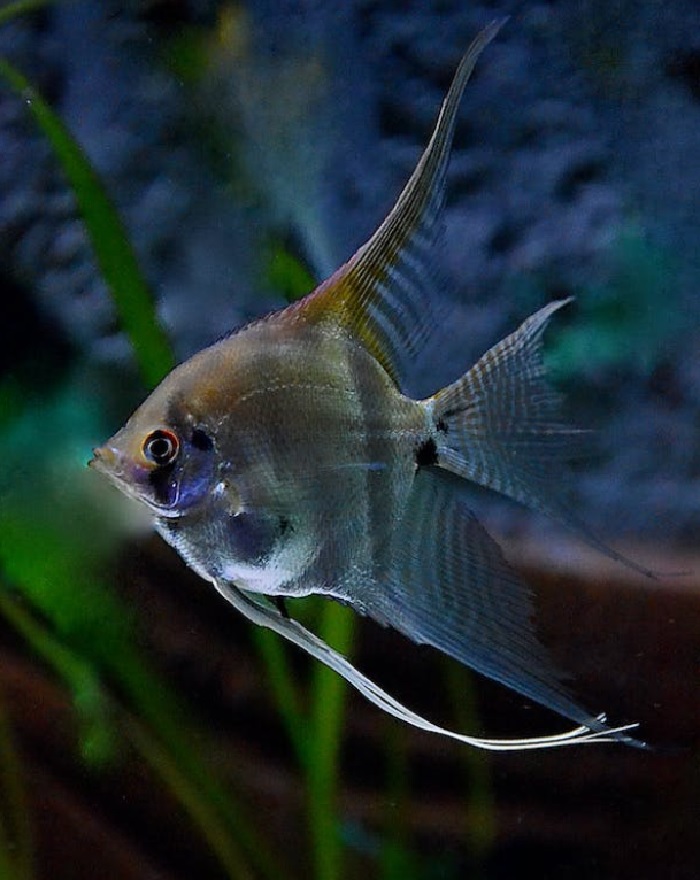
What Causes Angelfish Red Eyes? How To Treat
Natural coloration changes, stress, chemicals in the water, and viral hemorrhagic septicaemia are 4 main culprits behind this illness.
Here are some useful treatments corresponding to each reason; continue reading to learn more!
Natural Coloration Changes
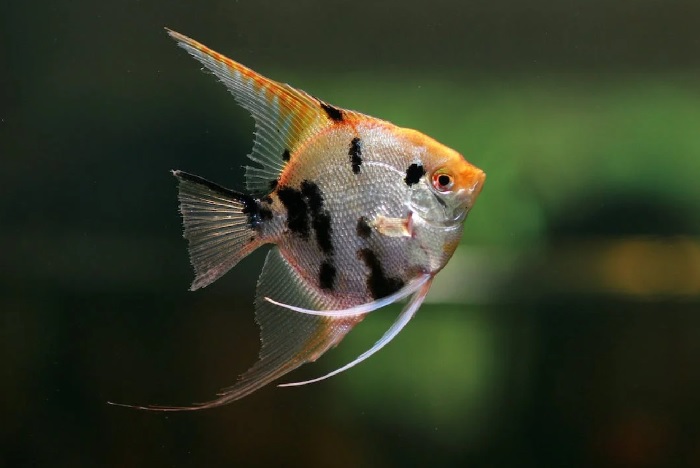
One explanation is that your angelfish crimson eyes may be caused by natural coloring change. In detail, a particular genetic profile triggers Angelfish’s red eyes.
If so, there is no need to be concerned about this genuine cause. You may check the list to see whether your fish is typical for some varieties of angelfish to have red eyes owing to the effects of gen.
If your type of angelfish does not often acquire red eyes owing to a gene, conclude that an angelfish has red eyes primarily doesn’t depend on how it bred and its genetic characteristics. Red eyes may indicate an illness or other potential problems in the following parts.
Stress
Angelfish eyes can go red under stress. Cortisol is a hormone that fish emit when they are under pressure. The blood vessels in the eyes enlarge and get red under the pressure of cortisol because it increases blood flow.
Let’s examine the sources of stress in an angelfish:
1. Poor Water Conditions
The quality of water is the element you should consider initially. The fish get stressed, and your pet finds it difficult to breathe when the water quality is bad (unbalanced oxygen levels or pH levels and water that is too warm or cold).
You must do a water check to identify the root of the issue. Your angelfish eyes should revert to their natural color after fixing the problem and bounce back.
2. Overpopulation
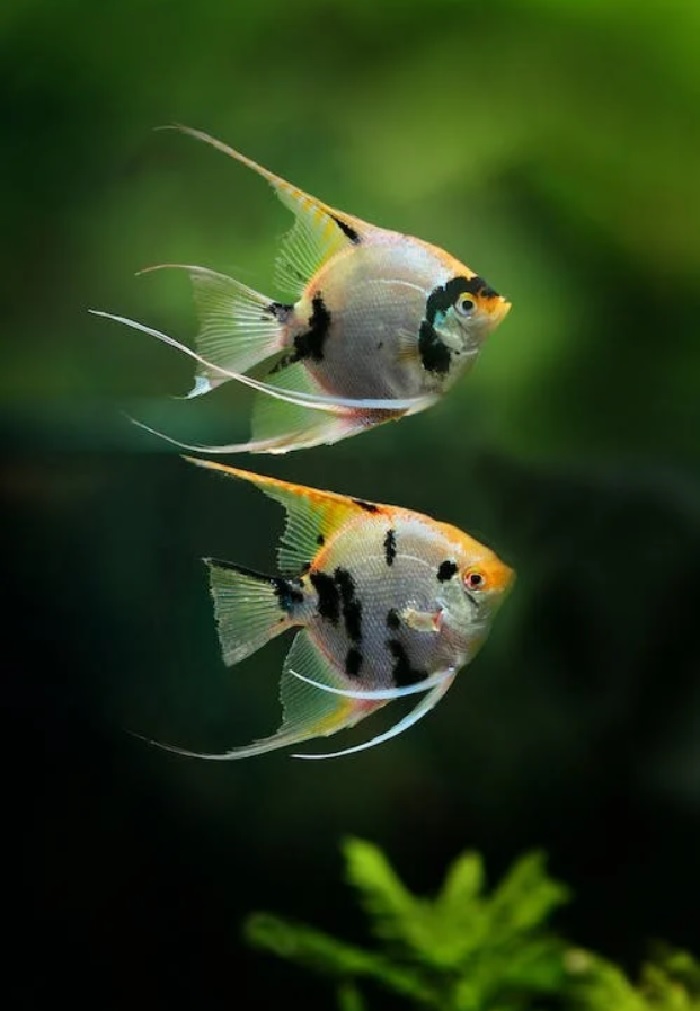
Pollution in the tank is booming, which stresses the fish out. This is because aggression from other fish will occur if you overcrowd angelfish in the same aquarium. Or when you have a fish tank with one much bigger fish than the rest, it can intimidate the smaller fish and scare them out.
The most effective approach in this situation is to classify fish size, and 5 fish in an aquarium is the ideal quantity to prevent overpopulation.
3. Loud Noises
Will the noise levels affect your fish and make their eyes red? Probably yes. It is quite stressful when they constantly knock on the aquarium and yell, especially while attempting to fall asleep.
To ensure that the angelfish dwell in a peaceful environment, position your aquarium in the area of your home that is the calmest.
4. Unhealthy Diet
Overfeeding is never a good idea for your fish’s nutrition. However, once your fish don’t eat enough food, they’ll get hostile and start fighting each other for food. That makes the tank’s ecosystem become strained, and the angelfish pupils are likely to appear red.
Be mindful of letting each angelfish around 30 seconds to complete their meal while feeding them. That suggests they have consumed sufficient food.
Chemicals Exist In The Water
An angel fish’s eyes indeed change red when chemical levels are excessively high. Your fish may become ill if they come into contact with the toxin-containing water in the aquarium:
1. Nitrite
Nitrite is poisonous to fish and can lead to various health problems. Particularly when the tank is new, it usually happens.
You must filtrate nitrate-free material to lower the nitrate levels for most newly introduced species. Replace the filter material to assist in regulating the number of nitrates. Or when you arrive at the tank store, ask the staff to test the water so that you can verify the nitrate concentration.
2. Ammonia
Fish can become poisoned by ammonia. New installations, dangerous germs, or changes in the bio can result in ammonia toxicity. Ammonia might be poisonous for a few days, and you could see red eyes that seem like red spots on the body.
Maintaining a proper pH for the water will prevent ammonia’s toxic effects. It is good to keep somewhere around 6.8 and 7.8 pH for your angelfish. At this concentration, ammonia is not harmful, but any higher levels will cause them to perish.
3. Hydrogen Sulfide
Due to hydrogen sulfide toxicity, your fish may have bloodshot eyes and additional symptoms, including moving sideways or a poor appetite. The scent of rotting eggs helps you identify this toxin.
Prevention is crucial to saving angelfish that have been sulfide-poisoned. Scrub the gravel and anything inside it well. To be safe, you must clean the filtration system and reactivate it. Ensure the issue has been resolved by carefully measuring and monitoring the water quality.
Viral Hemorrhagic Septicaemia
The serious illness known as viral hemorrhagic septicemia is extremely contagious and frequently deadly. Bacteria, including vibrio, pseudomonas, and Aeromonas, bring on systemic bacterial diseases.
If your fish is affected by the systemic, small hemorrhages might appear around the eyes, sluggish behavior, and a lack of hunger.
Before it spreads to your other fish, isolate the angelfish that gets VHS with its red eyes. To get rid of any lingering signs of the illness, evacuate the tank and wipe it inside and outside.
Wrapping Up
To summarize, red eyes can occur spontaneously in certain angelfish while indicating another sickness in others.
Additionally, to avoid bloodshot in fish eyes, you should constantly monitor the water condition, particularly the pH, nitrates, and ammonia levels, discover the illness as soon as possible, etc.
If you fail to take these precautions, parasitic bacteria may develop and cause your angelfish red eyes to happen.
