


How to euthanize a fish with Vodka is the saddest question to any aquarist because there will be a time every fishkeeper must eventually put an end to a fish’s life as there is no hope of it being saved from illness or injury.
Despite the fact that it’s a heart-breaking process, you can do it without letting the fish suffer in pain. This is the most pleasant and humane way. The best method here is using Vodka and clove oil! Below is the detailed process of how to do it!
Let’s get the ball rolling!
How To Euthanize A Fish With Vodka
Preparation
- Vodka or other substitutes of white grain alcohol.
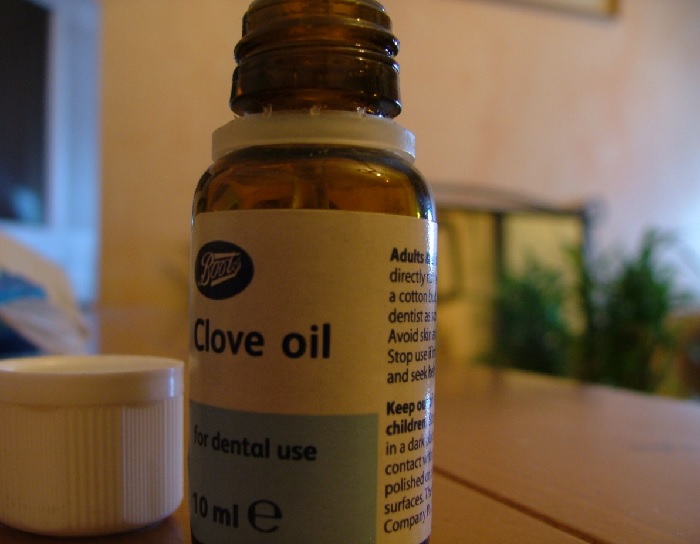
- Clove oil. Clove oil, also known as eugenol, is marketed as a toothache cure in most pharmacy stores. It has long been used in the fish anesthetic in tagging procedures and surgery.
- Tank water.
- Measuring cup/ container.
- Clean jar/bottle (small one). A clean and clear pill bottle is ok.

How To Do
Caution: It’s a frequent misconception that this task involves combining Vodka with clove oil. This is untrue.
To guarantee the fish won’t wake up, use clove oil first to anesthetize it, rendering it unconscious and incapable of feeling pain. Then, add grain alcohol, such as Vodka. If you put the Vodka first, the liquor will indeed be unpleasant for an unanesthetized fish. Here is the actual process:
Step 1
Fill a container with tank water. Keep a record of how much water you just add to the container by measuring it beforehand.
Take your fish and place it in the container. In case the container you have is the clear type, you can calm your fish by putting a small tower with dark color around it.

Step 2
Prepare your clean bottle and pour water in, but don’t fill it up. You need to leave a little space so that you can shake later.
Then, you drop some clove oil into the bottle. Put the cap back in and give it a good shake. The water has to become milky white as the oil emulsifies.
[display-posts id=”4880″ image_size=”thumbnail” posts_per_page=”1″]
Step 3
Carefully pour the emulsified mixture (about 1/4 of this liquid) into the container where the fish is. Your fish will start to nod off. Give the fish around ten minutes. Even though it will appear dead, if you look closely, you can see that its gills are breathing.
Suppose that, after the waiting time, what you are looking for is not happening. Your fish is still back to life and has started to swim. You need to repeat the process. Take up 1/4 of the clove oil emulsified mixture (don’t forget to shake it before pouring), and add it to the container.
After that, it is the second waiting time!
Step 4
Note that the fourth step is important. The oil we use only puts the fish to sleep. The fish can wake up when you pull it out from the clove oil liquid.
After your fish no longer moves, it will stay at the container’s bottom. You need 20% or 25% vodka or other vodka substitutes to add to the container. Remember we say you need to measure the water you put on the container at step one? Now you know the number, let’s follow the suggestion below.
Add 2 ounces of Vodka if the water you put in at step 1 is 8 ounces. Do similar math if the water you put in is another number.
Step 5
After twenty minutes, carefully inspect the fish to look for any movement of the fish gill. If there isn’t any gill movement after 60 seconds, a fish has passed away. Besides, here are other dead signs that you can double-check that this method is working:
- The body losing color
- Glazed eyes
If your fish is big, a small container can not hold it, so you should change it into a plastic tub or a bucket full of tank water. How much water are you about to put in? You must measure it. The standard clove oil dose is:
10 drops : 3.78 liters => 11 liters = 30 drops. That is the formula.
After rapidly shaking the mixture, you should slowly pour the entire mixture into the bucket containing the fish. After the fish has fallen asleep, proceed with other steps for adding Vodka.
[display-posts id=”4605″ image_size=”thumbnail” posts_per_page=”1″]
What Other Methods Of Fish Euthanasia Is The Most Compassionate?
The options listed below tend to be among the most merciful for the euthanasia of injured or ill aquarium fish:
Anesthetic Overdose
Tank fish can also be euthanized safely and compassionately by providing an anesthetic overdose that dissolves in water. This approach is especially suitable for huge fish that are challenging to handle.
However, it must be performed by an expert, like a veterinarian, because the necessary anesthetics are not widely accessible. You should consult an expert on the ideal path to euthanize a certain fish species since creatures react very differently to the substance, like anesthetics.
You may need a second form of euthanasia following the anesthetic overdose to guarantee a painless death.
Physical Techniques
Physical euthanasia techniques call for expert handling, as they can put fish under a lot of stress. Physical tactics cause a lot of individuals to feel uncomfortable, and for a good reason.
Without formal qualifications, it’s not advised that you use physical tactics since the fish may suffer much as a result of your hesitancy or absence of knowledge and expertise.
Confirming Death
Regardless of the technique, confirming that your fish pass away before disposal is critical. 30 mins after the final gill movement and no sign of an eye-roll, a fish is deemed to be gone.
[display-posts id=”4440″ image_size=”thumbnail” posts_per_page=”1″]
FAQs
Can Fish Experience Pain?
Yes, they do. What they endure, of course, doesn’t resemble what people experience, but it is still a form of agony.
Fish possess nociceptors – neurons that can sense dangers, namely extreme pressure, high temperatures & caustic chemicals.
What Effect Does Baking Powder Have On Fish?
Sodium bicarbonate is among the most secure chemical anesthetics which can be employed to anesthetize fish. It also goes by the name baking powder, and when it dissolves in water, the sodium bicarbonate releases carbon dioxide that makes fish feel asleep.
Does Freezing Water Kill Fish?
Yes, it’s possible. Fish can often adjust to temperature fluctuations and withstand a long time in ice water.
Nevertheless, it’s feasible that certain fish might perish if a water’s body freezes over and stays frozen for a long time.
[display-posts id=”4127″ image_size=”thumbnail” posts_per_page=”1″]
Conclusion
That is how to euthanize a fish with Vodka. Clove oil accompanied by Vodka can be cheap and compassionate. The fish will sleep and not wake up from the process. Hopefully, most people will never have to undertake this mercy killing, but if they do, it is at least reassuring to know the fish will not suffer.
