


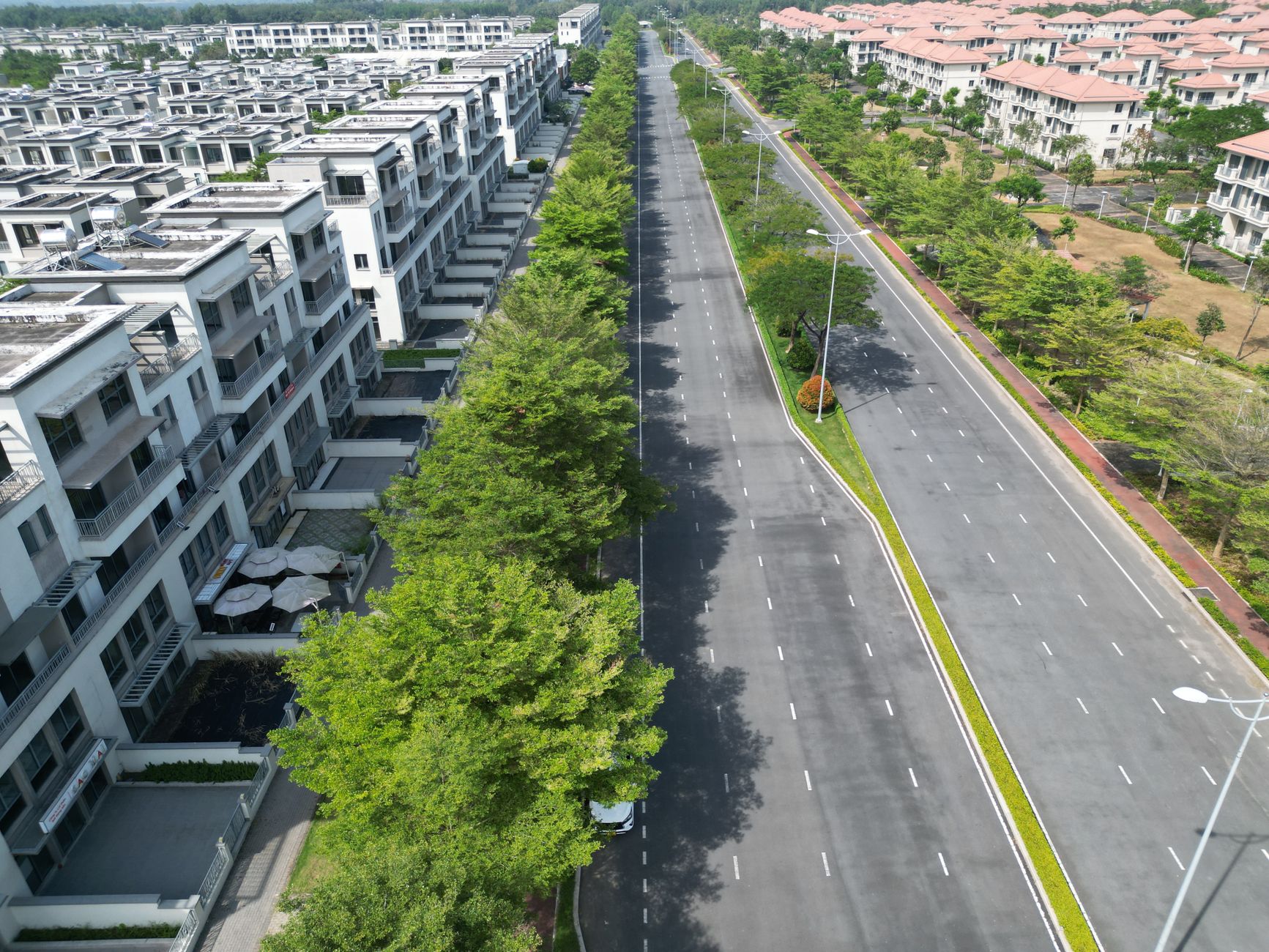
Singapore’s residential real estate market remains one of the most resilient and sought-after property sectors in Asia. Among the various postal districts across the island, District 10—encompassing Prime areas like Holland Village, Bukit Timah, and Tanglin—consistently holds its position at the peak of prestige.
Understanding the appeal of luxury homes in prime districts requires looking past marketing buzzwords and examining the fundamental drivers: land scarcity, urban planning, connectivity, and long-term value retention. Whether you are looking at boutique landed developments like Amberwood at Holland or high-end condominium residences such as Lucerne Grand, prime Singapore real estate continues to attract buyers who prioritize location, space, and quality construction.
The Distinct Appeal of District 10 Real Estate
Singapore divides its residential landscape into three main regions: the Core Central Region (CCR), the Rest of Central Region (RCR), and the Outside Central Region (OCR). District 10 sits firmly within the CCR, representing the pinnacle of residential status.
Why Prime Locations Retain Value
Properties in prime locations benefit from structural factors that protect their value across economic cycles:
1. Permanent Land Scarcity: District 10 is largely built out. New land supply comes almost entirely through en-bloc redevelopments or selective Government Land Sales (GLS) sites, keeping supply strictly capped.
2. Proximity to Top Schools: Families prioritize locations within short radii of renowned educational institutions like Nanyang Primary School, Anglo-Chinese School (International), and Hwa Chong Institution.
3. Convenient Transport Connectivity: Direct access to major arterial roads, expressways (PIE and AYE), and Mass Rapid Transit (MRT) lines—such as the Circle and Downtown lines—ensures straightforward commutes to the Central Business District (CBD) and Marina Bay.
4. Lifestyle Infrastructure: The presence of dining enclaves, artisanal cafes, retail centers, and green spaces like the Singapore Botanic Gardens provides day-to-day convenience.
Architectural Choices: Landed vs. High-Density Luxury
When evaluating prime residential options, buyers typically choose between two primary property types: exclusive landed residences and high-rise luxury condominiums. Each offers distinct practical benefits depending on household structure and long-term living requirements.
Landed Homes: Autonomy and Generational Value
Landed housing represents a tiny fraction of Singapore’s total housing stock, accounting for under 5% of all private residences. Estates in areas like Holland Village offer homeowners complete ownership of the underlying land plot.
Key advantages of landed homes include:
1. Floor Area Flexibility: Multi-generational families gain the physical space required for private living quarters, home offices, and dedicated entertainment rooms.
2. Customization Control: Homeowners maintain authority over architectural modifications, interior layouts, and exterior finishes subject to regulatory approval.
3. Land Title Security: Unlike strata-titled units, holding fee-simple or long-term leasehold land titles provides a tangible asset class that passes cleanly down family generations.
For homeowners seeking landed privacy within the Holland estate corridor, developments like Amberwood at Holland illustrate how modern architectural design integrates spacious layouts into established, green neighborhood pockets.
High-Rise Luxury Condominiums: Convenience and Facilities
High-end condominiums serve a different market demand—buyers who prioritize shared amenities, security, and lower maintenance burdens.
Key advantages of luxury condominiums include:
1. Integrated Amenities: On-site swimming pools, private gymnasiums, function rooms, and landscaped gardens remove the burden of personal facility maintenance.
2. Round-the-Clock Security: Gated perimeters, keycard access systems, and concierge services offer peace of mind, particularly for frequent travelers.
3.Panoramic Views and Efficiency: Vertical living provides elevated views of surrounding greenery and urban skylines alongside efficient single-level floor plans.
In core central residential enclaves, private condominiums like Lucerne Grand reflect the market demand for well-appointed spaces that deliver urban convenience without sacrificing peace and quiet.
Market Drivers and Current Trends
Several key trends shape the luxury private residential sector in Singapore today. Understanding these shifts helps buyers make informed property decisions.
1. Shift Toward Larger Layouts
Post-pandemic lifestyle changes altered household space requirements. Remote work, home learning, and wellness routines mean buyers now seek larger usable floor areas rather than compact units. Developers have responded by prioritizing functional 3-bedroom, 4-bedroom, and penthouse layouts with dedicated study spaces and generous balconies.
2. Focus on Green Building Standards
Singapore’s Building and Construction Authority (BCA) enforces strict environmental standards through the Green Mark certification scheme. Prime developments increasingly feature:
1.Passive cooling building designs that minimize heat gain.
2.Energy-efficient air conditioning and lighting systems.
3.Rainwater harvesting systems for communal landscape irrigation.
4.Electric vehicle (EV) charging infrastructure in parking facilities.
3. Stability Under Cooling Measures
The Singapore government regularly uses Additional Buyer’s Stamp Duty (ABSD) adjustments to maintain housing stability and curb speculative buying. While higher ABSD rates have reduced speculative foreign capital, the market remains supported by strong domestic liquidity, high-net-worth local buyers, and permanent residents purchasing for own-stay purposes.
Key Considerations for Property Buyers
Purchasing a luxury home in Singapore involves evaluating several critical operational and financial factors:
1.Holding Costs: Condominiums carry monthly maintenance fees paid to the Management Corporation Strata Title (MCST). Landed properties avoid MCST fees but require direct expenditure on roofing, façade upkeep, pest control, and private landscaping.
2. Financing and Regulatory Frameworks: Buyers must factor Total Debt Servicing Ratio (TDSR) limits into their borrowing calculations. TDSR caps a borrower’s total monthly debt obligations at a set percentage of their gross monthly income.
3. Estate Tax Structure: Property tax rates in Singapore are progressive, based on the Annual Value (AV) of the home. Owner-occupied residential properties pay lower progressive tax rates compared to non-owner-occupied or rented properties.
4. School Proximity Calculations: For families applying to primary schools, distance is calculated from the specific building block boundary line to the school line. Confirming exact geographic distances is essential during property searches.
Final Thoughts
Singapore’s prime private residential market continues to draw strength from clear regulatory governance, strong urban planning, and enduring district appeal. District 10 remains an anchor for buyers who seek a balance between suburban tranquility and urban connectivity.
Whether your lifestyle favors the independence of landed homes or the full-service convenience of luxury condominiums, focusing on location fundamentals, structural layout quality, and realistic financial planning ensures long-term property satisfaction.
