


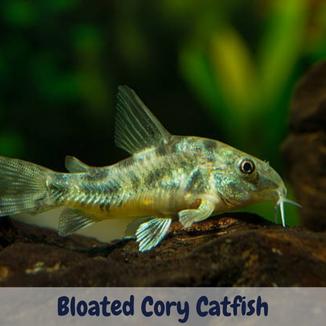
Cory catfish is a cute little creature with many types and various personalities.
They feature peaceful nature, aesthetics, and the ability to clean tanks, making them easily attract any aquarist.
Most kinds of cory are generally easy to raise and care for, but one of the common problems for this species is bloated cory catfish.
This post will explain the likely reasons your cory catfish are bloated and how to treat the issues.
How To Tell If Your Cory Is Bloated?
Many ways lead to bloated cory catfish. In most cases, a bloated cory catfish looks as if its total body or a specific part of your catfish is larger than usual.
Bloated cory catfish is quite common, especially for those just starting in the aquatic world. But it isn’t normal for your cory catfish to be bloated. It is a warning sign that you will need to fix a problem.
If your cory catfish suffers from bloat due to dropsy, chances are high that they would die within a few days. So, never take this matter lightly.
[display-posts id=”1927″ image_size=”thumbnail” posts_per_page=”1″]
What Is the Main Cause of Bloated Cory Catfish?
Pregnancy
If your bloated cory catfish is a female, there is a probability that she is about to lay eggs to give birth to young ones.
When females are set to spawn, they will typically become bloated in appearance and more active than usual.
In this case, you don’t have to worry so much about your fish. All you need to do is set up a breeding aquarium for them.
Once they have laid the eggs, it is time to remove them from your breeding tank and raise their fry in there.
Internal Parasites

Internal parasites are also one of the possible causes of bloated cory catfish
Internal parasites are one of the possible causes of bloating in your cory catfish. These parasites are worms that range in size from small to relatively large.
[display-posts id=”4364″ image_size=”thumbnail” posts_per_page=”1″]
If internal parasites cause your cory catfish to be bloated, the bloated appearance will usually be centralized around your fish’s belly (ventral side).
In addition, you can also pay attention to some other signs, such as your fish becoming lethargic, scratching themselves on objects, and losing appetite. In some cases, it is possible to see parasites in your cory’s poop.
It is easy to treat internal parasites, but you should be aware that re-infected is also straightforward and quick. So it is essential to take care properly to prevent infection again.
Constipation
One of the other possible causes for bloating in your cory catfish is fiber, which typically results from low diets. High protein diets can often be the cause of constipation.
If your catfish is constipated, the bloated appearance will usually be centralized around your fish’s belly and ventral side.
In this case, your catfish may have problems with buoyancy and swim erratically because of the discomfort caused by constipation. They also often become lethargic and stop eating.
Fortunately, constipation in your fish is easy to treat. All you need to do is change their diet, and you can expect the situation to improve within a few days.
[display-posts id=”4860″ image_size=”thumbnail” posts_per_page=”1″]
Swim Bladder Disease
Most bony fish have a swim bladder, a gas-filled sac that helps them stay buoyant and in the correct position in the water.
Swim bladder disease causes problems with the bladder, leading to a bloated catfish. In this case, bloat will usually be centralized around the fish’s middle.
The leading causes of swim bladder disease are your fish eating too quickly, eating too much, constipation, and gulping air when consuming floating foods. Sometimes unsuitable foods can also be the cause.
Treating swim bladder disease is also easy, as long as you catch it early.
[display-posts id=”4634″ image_size=”thumbnail” posts_per_page=”1″]
Dropsy

Dropsy can be fatal
Dropsy can affect your fish, regardless of their size and shape. Sadly, it is the most serious among the causes of bloated cory catfish.
This condition is an infection that makes cells within your fish swell up, making your cory look bloated.
In this case, your fish will look like a pinecone. Many people refer to their general appearance as “Pineconing.”
- Infections.
- Improper nutrition.
- Poor water chemistry.
- Weak immune system.
- An increase of ammonia or nitrate.
- Physical damage to the swim bladder.
- A noticeable drop in the water temperature.
- Stress from aggressive tank mates or transportation.
- Other diseases.
Treating dropsy is very difficult, and even if you get proper treatment, dropsy can make your fish die within a few days.
Because of the severity of the disease, you should focus on prevention as it is better than cure in this case.
[display-posts id=”2947″ image_size=”thumbnail” posts_per_page=”1″]
A Blockage
As most of your cory catfish’s meals come from the aquarium’s substrate, it’s normal for them to eat parts of the substrate accidentally.
Larger things, such as pebbles and gravel, can cause a blockage in your fish, which is often challenging to treat.
So like with dropsy, prevention is better than cure in this case. You should also use a proper substrate for your aquarium.
FAQs
What are Dropsy Signs In Cory Catfish?
Here are some dropsy-related symptoms you can detect in cory catfish:
- Grossly swollen belly.
- Bulging eyes.
- Pale or stringy feces.
- Ulcers
- Curved spine.
- Clamped fins.
- Red skin or red fins.
- Lethargy
- Not interested in eating.
- Swimming near the water’s surface.
[display-posts id=”2031″ image_size=”thumbnail” posts_per_page=”1″]
Is Dropsy Contagious to Other Fish?
Yes. Any fish can be exposed to dropsy-causing bacteria as the bacteria exist in all tanks.
Is Dropsy the Same as Swim Bladder Disorder?
No. Many confuse swim bladder disease and dropsy as they present the same symptom: A bloated cory catfish with a large belly.
Can My Cory Catfish Be Overfed?
The short answer is Yes. You can overfeed your cory catfish, leading to swelling and bloating.
[display-posts id=”3788″ image_size=”thumbnail” posts_per_page=”1″]
How Do You Tell if Cory Catfish Is Dying?
You will know cory catfish is dying if it displays the following signs:
- Refusal to eat.
- Gill discoloration.
- Weakness and lethargy.
- Upside-down swimming.
- White spots on the body.
- Clouded and bulging eyes.
- Slow swimming, or none at all.
- Troubled breathing, gasping at the surface.
Conclusion
You have reached the bottom of this article. Hopefully, you have gained the necessary knowledge regarding bloated cory catfish.
As we can see, there are a few causes of bloated cory catfish. Some are simple to treat, while some are very dangerous. Prevention is always better than cure for dangerous causes like blockage and dropsy.
